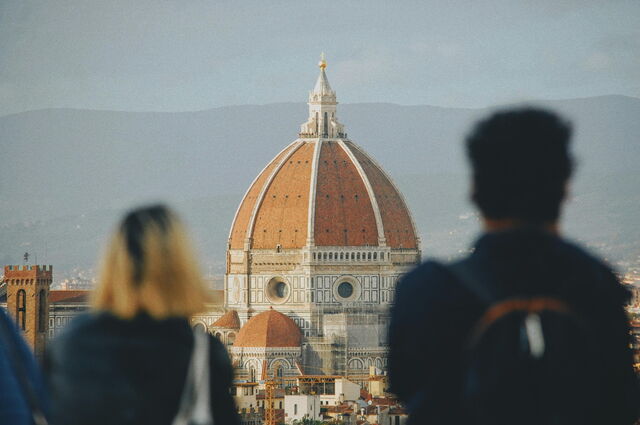
For those who like to travel comfortably and be aware of differences in expectation, etiquette, and the way things are done, it is always best to do a little research before going somewhere new. This will help you blend in a little better, avoid confusion, and decrease the chance of miscommunication or issues – all of which will allow you to spend more time enjoying your vacation and less time stressing out. While things are generally pretty relaxed in Italy and you really shouldn't have that much to worry about, it is always better to be prepared. So, here are some key cultural differences and expectations in Italy to be aware of if you book a villa in Tuscany and are spending time in the country.
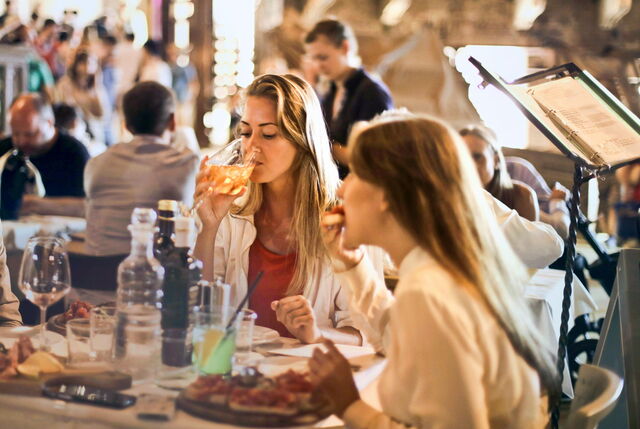
Avoiding dining disasters
For a whole guide to everything you need to know about one of the most important parts of a holiday in Tuscany, eating, then check out our separate article all about dining and restaurant etiquette in Italy. There are lots of things to keep in mind so be sure to give it a read before heading out to eat during a vacation in Tuscany!
Touristy areas and big cities vs small towns
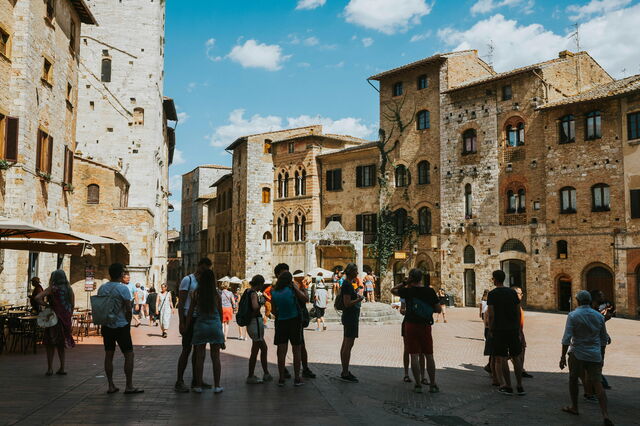
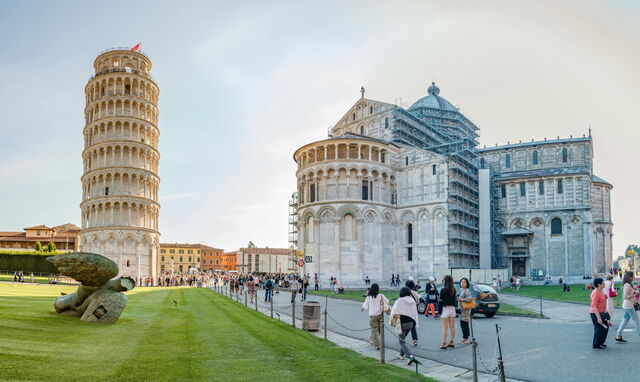
In general, there will be a pretty big difference in expectations and experiences in big cities like Florence or touristy areas compared to small towns. While lots of typical “rules” or cultural expectations will have a little more wiggle room and people will be more understanding for your lack of knowledge in places where tourists are common, in small towns, they will be less used to tourists and a little less flexible. Keep this in mind as a guiding principle if you're really getting out and exploring.
Watching your language
While you might not be fluent in Italian, it is always nice to learn a few phrases and try your best. Again, in less touristy areas you will encounter many people who only speak Italian and some, especially some older people, might find interacting with you a little difficult or stressful if you don't speak Italian. Having those few words is a nice way to begin such an exchange and thaw the ice. Here are a few phrases that you can use easily:
Ciao – an informal hello and goodbye, some might not want to use this with strangers but you'll get a bit of a pass with many as you're not a native speaker.
Salve – a more polite greeting.
Buongiorno – a nice hello (or good day) for the AM and much of the afternoon.
Buonasera – the evening equivalent to be used after 5pm.
Per favore – Please.
Grazie – Thanks.
Prego – You're welcome.
Scusi/Mi scusi – Excuse me (when getting someone's attention).
Permesso – Excuse me (when trying to get past someone).
Posso fare una prenotazione? - Can I make a reservation?
Ho una prenotazione - I have a reservation.
Il conto - The bill (can be used to ask for the bill in a restaurant).
Dov'é...? - Where is...?
Dress codes (especially in churches)
Cobbled historic centres and uneven staircases worn by centuries of use mean that wearing comfortable shoes is a good idea but you can generally wear whatever you want. Some outfits will mark you as a tourist but the only place you really need to consider your clothes carefully will be if you are visiting religious buildings or churches. Here, you will need to make sure that your knees and shoulders are covered. Many tourists will bring a shawl or a light layer with them to put on before entering if it is really hot out and you don't want to boil all day.
Common sense is your best guide
Of course, we likely don't need to tell you that, at the end of the day, your own common sense is your best guide. Just be patient if things are taking a little while or not running on time and lean into the fact that you're on holiday - do as the locals do and slow down! Keep in mind that things are going to be a little different, treat others with respect, and remember that places you deem as tourist attractions may be part of other people's daily life so engage with them accordingly.