Enjoy a good stroll? Love to eat? Want to plan a fall or winter getaway in a Tuscany villa that combines both? Then you should definitely head to the wonderful town of Prato for the Eat Prato festival! Starting on the 2nd of October 2022 and continuing right up to the 22nd of January 2023, this vibrant annual foodie festival perfectly combines thematic outings on foot – on which you are guided by knowledgable locals and told all about the area – with tastings of a truly extraordinary array of delicious food and drink from the region. Taking you to some of the most remarkable and fascinating architectural and historic gems in and around Prato, to visit artistic wonders, and into the beautiful countryside of the area, these brilliant walking itineraries are a wonderful way to get to know this part of Tuscany. If you decide to book a luxury villa in Florence but you want to delve into the countryside of Tuscany a bit more, a day in Prato attending one of these events would be just the thing!
22
Jun
2022
2022
Posted in: Activities
Events
Florence
History
Legends
Localities
Markets
Shopping
Tourist Attractions
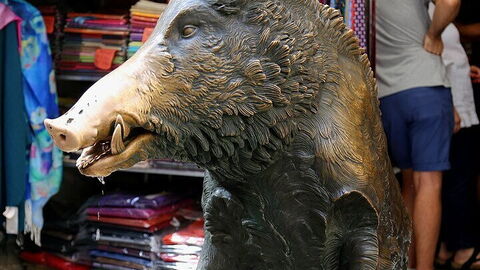
Those who are interested in finding a luxury villa in Florence and spending time in the city will quickly discover that, though there is an impossibly long list of things to see and do, it is one of those destinations where wandering around with no plan in mind can often be just as rewarding. Everywhere you turn in the historic core of the city, you will discover architectural gems, domes and church towers peeking over the skyline, works of art by great masters, impressive historic homes, renowned museums with lines stretching around the block and less famous museums tucked into old palaces, shopping streets abuzz with people and both the plush stores of well-known brands and little independent boutiques, street performers and artists earning a living with their skills, curious oddities like graffiti attributed to Michelangelo and bars where wine is delivered out to patrons through a tiny window, piazzas lined with cafes and restaurants and diners sitting out enjoying meals and coffee, and bustling markets. One spot that often combines many of these elements in one place is the Piazza del Mercato Nuovo, where you can find the Porcellino Market and the brilliant stalls selling all sorts of leather goods, a famous statue steeped in legend, regular dance parties inspired by the music played by street performers, and a gorgeous setting. So, if you have browsed our Tuscany villas and have found the perfect villa in Florence for you, then be sure to wander this direction between Tuesday and Sunday, as you explore the city.
12
Mar
2020
2020
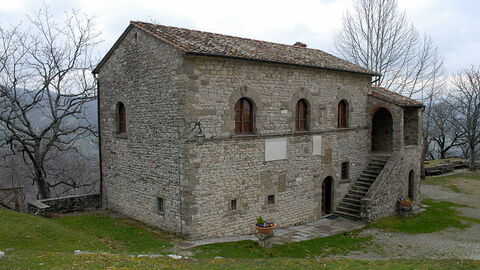
Not far from Arezzo are two towns made famous by their most well-known sons, Anghiari and Caprese Michelangelo, where Da Vinci and Michelangelo, respectively, were born. In both of these places you will find museums dedicated to these two great pillars of the Italian Renaissance and they are must-sees for art-lovers who are travelling in Tuscany and want to delve further into the lives and works of two of the most important figures in the history of European art. The Michelangiolesco Museum is an easy outing for those who have found a vacation rental in Arezzo, located within the province of Arezzo and a short distance from the city of Arezzo in Caprese Michelangelo.
While the museum was opened in 1964, to mark the 400th anniversary of the death of Michelangelo, it can actually trace its origins all the way back to 1875. The Michelangiolesco Museum is housed inside the Caprese Michelangelo fortress complex, which is made up of three main buildings, the Palazzo del Podestà, Palazzo Clusini and the Corte Alta, as well as a garden that is open to the outdoors. Caprese came under the rule of Florence after the town submitted to the Florentine Republic in 1384 and from that point onwards Florentine podestàs, local magistrates, took turns residing in the town on an annual basis. It is in the residence of these local rulers, the Palazzo del Podestà, that Michelangelo was born on the 6th of March 1475 to Ludovico di Leonardo Buonarroti Simoni, who was the reigning podestà, in the area at the time.
While the museum was opened in 1964, to mark the 400th anniversary of the death of Michelangelo, it can actually trace its origins all the way back to 1875. The Michelangiolesco Museum is housed inside the Caprese Michelangelo fortress complex, which is made up of three main buildings, the Palazzo del Podestà, Palazzo Clusini and the Corte Alta, as well as a garden that is open to the outdoors. Caprese came under the rule of Florence after the town submitted to the Florentine Republic in 1384 and from that point onwards Florentine podestàs, local magistrates, took turns residing in the town on an annual basis. It is in the residence of these local rulers, the Palazzo del Podestà, that Michelangelo was born on the 6th of March 1475 to Ludovico di Leonardo Buonarroti Simoni, who was the reigning podestà, in the area at the time.
27
Feb
2020
2020
Posted in: Architectural Gems
Curiosities
History
Museums & Galleries
Roman Empire
Tourist Attractions
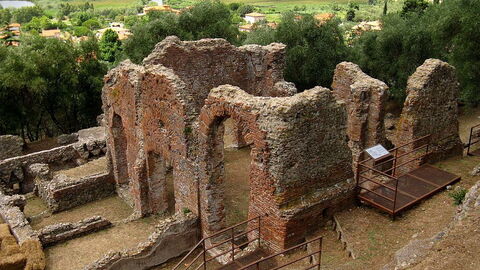
The walled city of Lucca is a stunning medieval gem that is full of incredible buildings, palaces, churches, pretty, little side streets and winding alleys, works of art, cultural hotspots, and historic beauties. If you find a vacation rental in the Province of Lucca or a holiday rental in Lucca, you will quickly realise that just wandering the streets of this charming city, so steeped in history, is a delight in its own right and utterly transports you back in time. However, it is not just the city that is rich in history and culture, the wider province around Lucca is full of little gems and fascinating surprises. One such gem is Massaciuccoli Romana, an archaeological complex that is home to a wide variety of ruins and remains from the time of the Romans including villas, baths, and more.
Located in the municipality of Massarosa, on the banks of Lake Massaciuccoli, the first indications of the Massaciuccoli Romana complex were first discovered back in 1756 though there wasn’t much public interest or involvement from the larger academic world until the 19th, and then the 20th, century. A Roman lead pipe inscription (a Latin inscription that is found on leaden Roman water pipes and which provides information on its manufacturer, owner, and often the reigning emperor) was found in 1770 and then the western sector of another group of structures was discovered in the 1930s, which included a balneum (a thermal plant built for private, rather than public, use) and mosaics, that were deemed to be part of a villa. In the 2000s the work at Massaciuccoli Romana was officially taken up and continued under the authority of the Municipality of Massarosa. The Municipality also opened the site as a tourist attraction and museum in this time period and continue to promote education, research, and excavation on the site to this day.
Located in the municipality of Massarosa, on the banks of Lake Massaciuccoli, the first indications of the Massaciuccoli Romana complex were first discovered back in 1756 though there wasn’t much public interest or involvement from the larger academic world until the 19th, and then the 20th, century. A Roman lead pipe inscription (a Latin inscription that is found on leaden Roman water pipes and which provides information on its manufacturer, owner, and often the reigning emperor) was found in 1770 and then the western sector of another group of structures was discovered in the 1930s, which included a balneum (a thermal plant built for private, rather than public, use) and mosaics, that were deemed to be part of a villa. In the 2000s the work at Massaciuccoli Romana was officially taken up and continued under the authority of the Municipality of Massarosa. The Municipality also opened the site as a tourist attraction and museum in this time period and continue to promote education, research, and excavation on the site to this day.
If you are interested in all things traditional, historic, well-made, and beautiful then a luxury villa in Florence is always going to be a good idea. The city, as a whole, is an exceptional beauty that boasts the most extraordinary architectural gems, museums filled with world-famous works of art and stunning objects made in Tuscany throughout history, elegant eateries and bars, luxurious apartments and villas, perfectly manicured gardens, workshops in which incredible goods are still made by hand, lavish boutiques in which you can buy said luxury goods, and much more besides. Tradition is alive and well alongside contemporary life and is embraced by the city and its occupants. If you are interested in dipping your toe into how life used to be lived and experience it, and the beautiful, lasting, non-disposable items that went with it, for yourself then heading to Florence is an excellent plan. Come and buy the most wonderful, unique, and well-made souvenirs from delicious delicacies to leather goods and everything in between.