Archive for 'Architectural Gems'


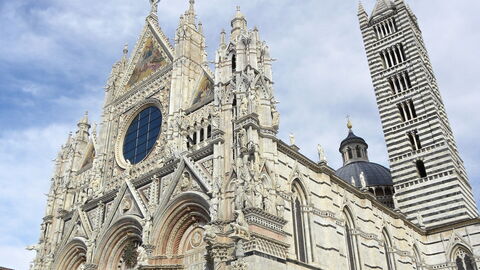
Exterior of the Duomo, Siena

The benefit of exploring churches throughout the region if you have found a Tuscany villa, no matter your religious affiliation or lack thereof, is that an incredible number of them house spectacular artworks by some of the most famous artists from the region throughout history. This is true of both tiny little churches that might not seem like anything from the outside and, more often of course, of the various town cathedrals throughout Tuscany. If you find a villa with pool in Siena, for example, and are spending time discovering all that beautiful and historic city has to offer, then you will likely see the ornate Gothic façade, rising tower, and central dome of the Duomo (or cathedral) from various points around the city. This might give you pause to consider the building and we highly recommend going one step further and actually planning a visit to this gem while staying in your villa in Siena. With a richly ornamented exterior and a stunning interior that boasts artworks by the likes of Pisano, Donatello, and Michelangelo, it is a wonderful reflection of the artistic heritage of Tuscany and is full of gorgeous objects and pieces of art to admire...
     Read More


The lands of Tuscany, particularly around Florence, Pisa, and Lucca, were highly contested and fought over by various rulers and factions in the Middle Ages and Renaissance. As a result, many fortified structures remain dotted throughout the already picturesque landscape of the region, making it all the more charming and magical. There are, of course, some that are prettier or better-preserved than others and one of the best and most charming examples of all has to be the lovely Fortezza di Montecarlo, or Montecarlo Fortress, built in four phases between the 12th and 16th centuries and located in a highly desirable strategic position between the valleys of Lucca and Valdinievole. If you have found a villa with pool in Lucca and you are looking to visit one of Tuscany's most magical fairytale castles, then this is an excellent option!     Read More


Torre D'Arnolfo
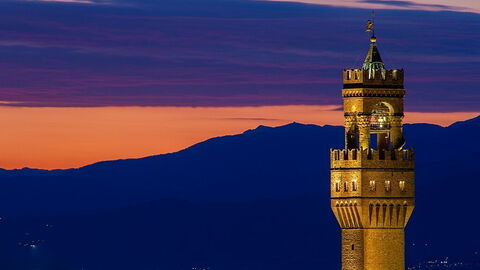
We have previously written about the Palazzo Vecchio in Florence on many occasions and there are plenty of reasons to plan a visit to this historic gem if you have found a villa in Florence. The former town hall of Florence, this impressive fortress is an influential architectural work, steeped in the history of the city, home to incredible examples of Florentine works of art and craftsmanship from throughout the centuries, it is an excellent museum, and it is (supposedly) frequented by some intriguing ghostly figures. However, if you have found a luxury villa in Florence and you are coming to visit this highlight of the city, there is one other great reason to come: it is one of the best places to take in an incredible panorama over the stunning skyline of Florence.

Located in the Piazza della Signoria, the Palazzo Vecchio is a rusticated stone-faced castellated palazzo and a truly impressive and imposing solid mass of a building that is punctuated by two rows of two-lighted Gothic windows (and some other openings). On top of the building, a clock tower looms overhead. This clock tower is one of the most imposing of the medieval towers that still remain in Florence and it is named the Torre d'Arnolfo after the building's architect, Arnolfo di Cambio, who also designed Florence's Duomo and the Church of Santa Croce. At a height of 95 meters, it is the highest civic symbol in the entire city and boasts sweeping views over the city and the surrounding valley in which Florence is located. While you should definitely take the time to explore the rest of the building, heading up to the tower is a must. You can also decide to just visit the tower rather than go through the museum and there are separate entrance fees for both.     Read More


San Miniato
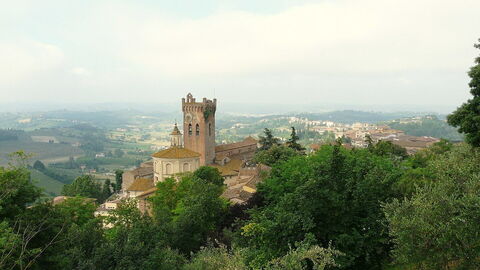
The pretty town of San Miniato is famous among foodies who vacation in Tuscany as it is home to both wonderful wineries and is one of the best places to find some of the best truffles in Italy and in the globe. Located along the via Francigena that connected northern Europe to Rome during the Middle Ages, it has been entertaining visitors with its beautiful sights, delicious treats, wonderful hospitality, rich artistic heritage, and range of festivals and events for centuries. Positioned in a strategic location on a gentle hill set into the lush and rolling green landscape of the province of Pisa, not far from the city of Pisa, this charming town is an excellent day-trip destination for those who have found a villa with pool in Pisa and are planning days out in the area.     Read More


Poggio a Caiano
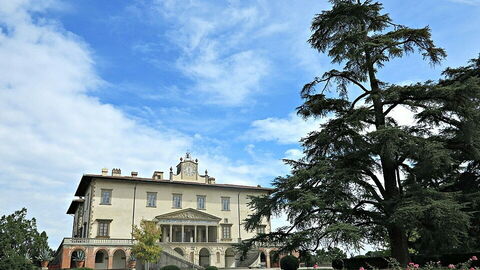
If you have found a luxury villa in Florence or a villa with pool in Florence then we recommend spending plenty of time to both thoroughly explore all that interests you in that beautiful city and to also go beyond it to other attractions in the surrounding area. Florence is a great, pretty central base from which to explore the wider region of Tuscany. Whether you are renting a car or you want to rely on public transport, this is the best and easiest place from which to do both when planning day-trips to other parts of Tuscany such as the comune of Poggio a Caiano in the province of Prato, which is home to a stunning Medici Villa, gorgeous gardens, an excellent museum, and a pretty town.

The villa at Poggio a Caiano is set on the slopes of Mount Albano and was a summer residence for the Medici that was built for Lorenzo the Magnificent, according to plans by Giuliano da Sangallo. It is located right between Florence, Prato and Pistoia, areas over which the Medici and Florence worked to control. Begun at the end of the fifteenth century, but not completed until halfway through the sixteenth century, as work was interrupted by Lorenzo's death in 1492, the villa was continued under Pope Leo X, Lorenzo's son. This pause in the building process, however, would inadvertently give it the time to become one of the greatest architectural gems of the period as increasing refinements in implementing classical motifs and ideals into Renaissance architecture came about in the interim period. Furthermore, subsequent occupants made minimal changes to it over the following centuries, leaving it to remain a testament to Renaissance taste and ideals.     Read More