Balsamic vinegar is one of those culinary items that can take a simple recipe to a memorable one. Its complex flavors lends itself well to both sweet and savory dishes, or even just soaked into some bread. Originally created in Modena, in the Emilia-Romagna region of Italy just north of Tuscany, in the middle ages and has been enjoyed by Italians ever since. It has only become popular in America in the past twenty years and its a sad state of affairs that it has taken that long.
Balsamic vinegar is considered a wine vinegar, like its less popular cousin red wine vinegar, but is not actually made from wine. It is made by the pressings of grape skins that have not been allowed to ferment, unlike grappa.
The grape skins are pressed, heated and boiled down into a thick dark syrup with very specific regulations controlled by the its DOC status. If you are looking for a quality balsamic vinegar, you need to ensure that it has this DOC label on it. Without it, it is not proper balsamic vinegar but just an imitation.
Balsamic vinegar is considered a wine vinegar, like its less popular cousin red wine vinegar, but is not actually made from wine. It is made by the pressings of grape skins that have not been allowed to ferment, unlike grappa.
The grape skins are pressed, heated and boiled down into a thick dark syrup with very specific regulations controlled by the its DOC status. If you are looking for a quality balsamic vinegar, you need to ensure that it has this DOC label on it. Without it, it is not proper balsamic vinegar but just an imitation.
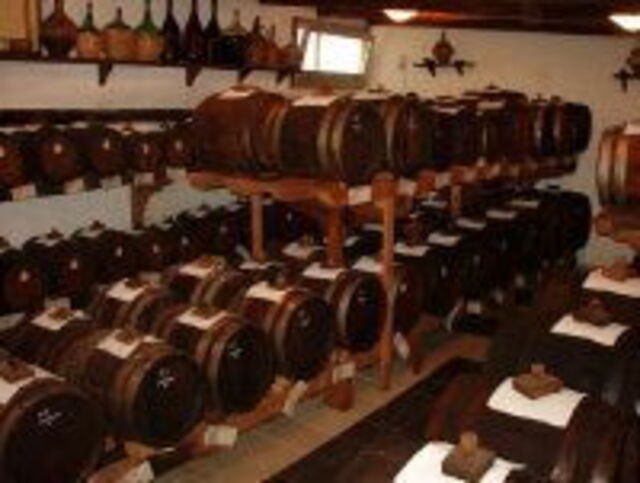
The mixture is then cultured with a 'mother' in a barrel, and over its aging process is moved to different barrels, each made with a different type of wood. Each one adds a complexity to it during its aging that makes balsamic vinegar what it is. There are obviously different qualities of an item such as this:
On About.com there is a huge repository for recipes that involve balsamic vinegar. It can be used in such non-traditional dishes that its easy to think of it in only one way, and never consider the myriad of applications it can be used in.
- Condimento balsamic vinegars are mostly made by producers out of the Modena or Reggio Emilio provinces that are allowed to make it under its DOC status. These are the more common vinegars that you will see in most supermarkets and are comparatively very cheap to the other qualities. No standards or label practices exist to control condimento balsamic vinegars.
- Tradizionale balsamic vinegars come in varying ages. Young vinegars, being aged between 3-5 years, are used in salad dressings or for dipping. Vinegars aged between 6-12 years are often used in sauces and pastas, where the subtleties are more easily differentiated from the other flavors. Old vinegars, being anything over 12 years, are thicker as each successive barrel that it is aged in evaporates more liquid than the previous one. These can range anywhere from $100 to $500 USD, and are obviously very lightly used in dishes. Lightly accentuating meat or fish, or sprinkled lightly over fresh berries and in other desserts. This older vinegar is also occasionally drunk simply in a small glass after a large meal.
On About.com there is a huge repository for recipes that involve balsamic vinegar. It can be used in such non-traditional dishes that its easy to think of it in only one way, and never consider the myriad of applications it can be used in.