It is probably readily apparent to anyone interested in Italy or anyone who reads this blog regularly that there is no shortage of museums in Florence and rich art collections, in particular, are abundant. However, we are keen on tracking down attractions that are a little off the beaten track, a little less obvious and devoid of the intense tourist crowds that can plague other parts of the city.
With this in mind, the Horne Foundation Museum seems like a perfect alternative to the likes of the Uffizi for those who have already been, can't stomach the crowds or who merely like going to places that are a little less commonly visited. Just find a luxury villa near Florence in Florence and drop by for yourself.
The Horne Museum was the last will and testament of Herbert Percy Horne, a London architect and educated gentleman who had far-reaching interests across a range of cultural exploits from literature to music.
With this in mind, the Horne Foundation Museum seems like a perfect alternative to the likes of the Uffizi for those who have already been, can't stomach the crowds or who merely like going to places that are a little less commonly visited. Just find a luxury villa near Florence in Florence and drop by for yourself.
The Horne Museum was the last will and testament of Herbert Percy Horne, a London architect and educated gentleman who had far-reaching interests across a range of cultural exploits from literature to music.
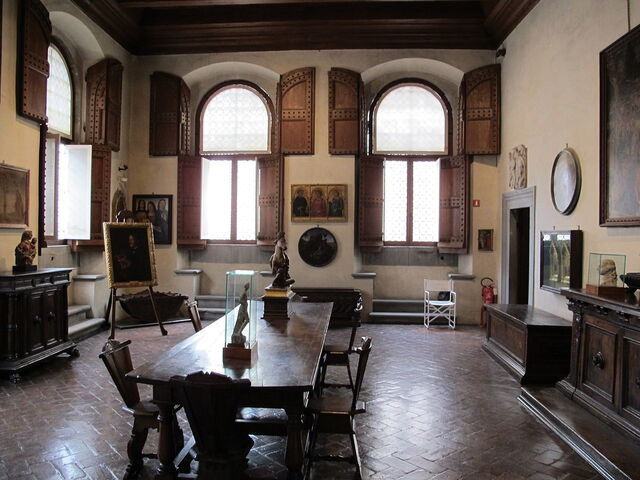
He took up residence in Florence towards the end of the 19th century and spent his time collecting a variety of objects and works of art and producing scholarly texts, such as his work on Botticelli. He purchased the palace in which the museum is now located in 1911 and, after his death in 1916, the palace was handed over to Count Carlo Gamba and the Superintendent of the Galleries, Giovanni Poggi, with the agreement that they would complete the furnishing of the rooms as he had intended.
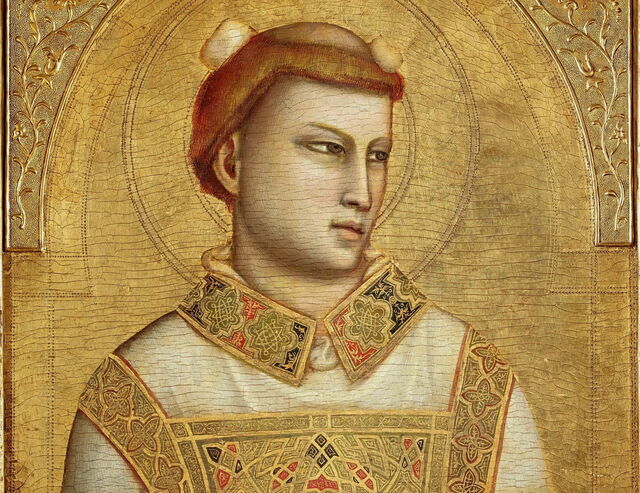
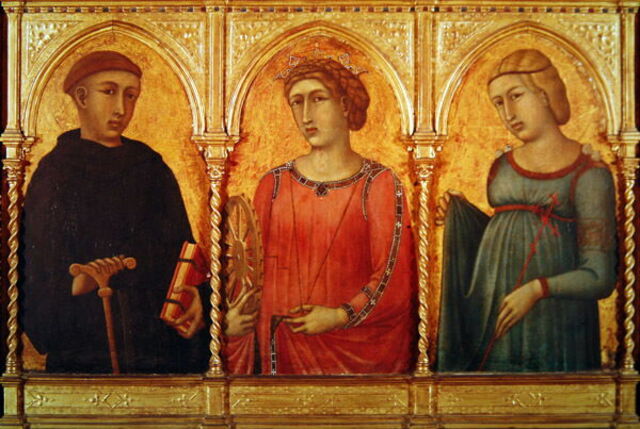
A palace on the on via dei Benci, the building was originally owned by the Alberti family and was then purchased by the and Corsi who altered it and gave it its present day appearance at the end of the 15th century under Simone del Pollaiolo. It is now home to a collection composed of paintings (most famously Giotto's “St Stephen”), sculptures, ceramics, jewellery, furniture, dishes, seals and fabrics that date from the 1300s to the 1600s. There is also a rich archive and library featuring an incredible stockpile of drawings and prints from the 1500s to the 1800s.
A palace on the on via dei Benci, the building was originally owned by the Alberti family and was then purchased by the and Corsi who altered it and gave it its present day appearance at the end of the 15th century under Simone del Pollaiolo. It is now home to a collection composed of paintings (most famously Giotto's “St Stephen”), sculptures, ceramics, jewellery, furniture, dishes, seals and fabrics that date from the 1300s to the 1600s. There is also a rich archive and library featuring an incredible stockpile of drawings and prints from the 1500s to the 1800s.
What is particularly interesting, however, is the celebration of domestic objects that is unseen in other museums such as silver and ivory cutlery, needles, mirror holders, leather boxes and firedogs. This is not merely a museum but an ideal reconstruction of a cultured and well-to-do Renaissance gentleman’s palace and an attempt to preserve the character of a private home through the furniture pieces and household objects.
If you want to experience what a noble Renaissance home might have been like and the objects that decorated it in context, not isolated in a museum exhibit, this is a perfect attraction in Florence.
If you want to experience what a noble Renaissance home might have been like and the objects that decorated it in context, not isolated in a museum exhibit, this is a perfect attraction in Florence.
Photo credits
Picture 2: Sailko / CC BY-SA 3.0
Picture 2: Sailko / CC BY-SA 3.0