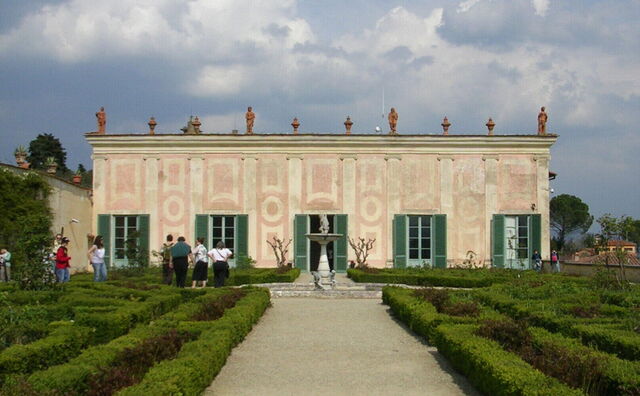
The Palazzo Pitti is a historic palace in Florence that is home to several museums, including the Costume Museum, Silver Museum, the Uffizi Galleries and more. Located on the grounds of the palace are the famous Boboli Gardens and, within those beautiful gardens, there is yet another museum. The Porcelain Museum is located in the Casino del Cavaliere, at the top of the Boboli gardens' slopes. A little retreat built as an escape for the Grand Duke in the 18th century, it is a charming and pretty pastel building that offers incredible views across the city and displays some equally pretty porcelain works.
It is a lovely little addition to a visit to the complex and something a little of the beaten track of regular visitors. If you have found a luxury villa in Florence and are planning to visit the Palace or Gardens, keep this gem in mind, as well, while you're at it!
It is a lovely little addition to a visit to the complex and something a little of the beaten track of regular visitors. If you have found a luxury villa in Florence and are planning to visit the Palace or Gardens, keep this gem in mind, as well, while you're at it!
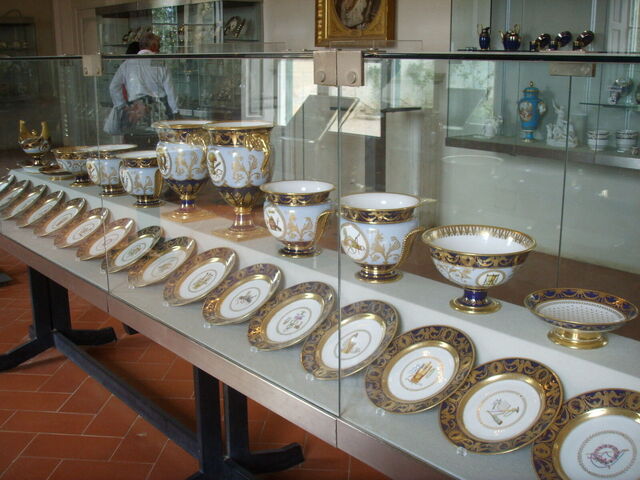
Originally, the Porcelain Museum was a part of the Silver Museum and was located in the mezzanine of the Pitti Palace. In 1973, it was transferred to the Casino, which serves as a much better place to conserve and display the collection of table porcelain that used over the generations by the Grand Ducal and Royal Houses of the Medici, Lorraine and Savoy.
Not just your average tableware, this “princely” collection is made up of pieces designed for grand feasts and events and as diplomatic gifts from other European rulers.
Divided by periods, nations and manufacturers, there are examples of Italian porcelain objects produced in Doccia, pieces from Vienna, from the German Manufacturer of Meissen, and from Vincennes and Sèvres in France, among others. The oldest pieces belonged to Gian Gastone, the last Medici Grand Duke and were produced at Meissen.
Not just your average tableware, this “princely” collection is made up of pieces designed for grand feasts and events and as diplomatic gifts from other European rulers.
Divided by periods, nations and manufacturers, there are examples of Italian porcelain objects produced in Doccia, pieces from Vienna, from the German Manufacturer of Meissen, and from Vincennes and Sèvres in France, among others. The oldest pieces belonged to Gian Gastone, the last Medici Grand Duke and were produced at Meissen.
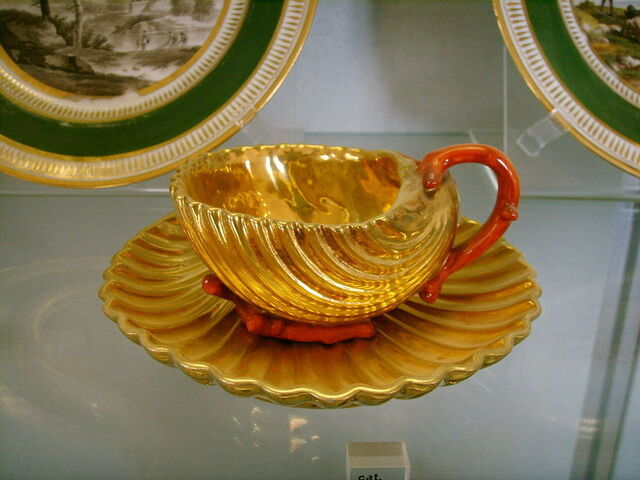
The collection boasts over 2000 exquisite pieces from a period of over 250 years, from the last days of the Medici rule through to the Unification of Italy and is one of the most important historical collections of its kind in Europe. Filled with lovely objects, it makes for a thoroughly pleasant visit.