Villa Vignamaggio
Posted in: Food and Wine Wineries & Breweries
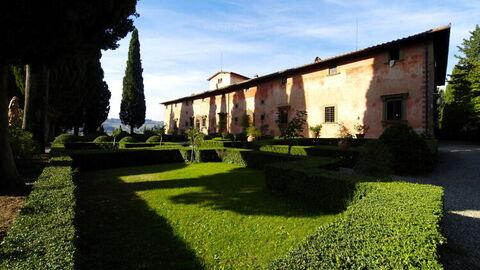
Vignamaggio is an historical wine estate in Tuscany which has been producing and selling wine since 1404. It is located in the hills between Greve in Chianti and Lamole, in the heart of the Chianti Classico. It is also often attributed as the birthplace of the sitter from Leonardo's Mona Lisa. Some even claim that the scenery in the background of the painting is the view from the terrace of the villa on the estate. Whether this is actually the case or not, it is a beautiful estate with fine gardens, a lovely villa and extensive vineyards. You can take tours of the estate and go on tastings to sample the famous wine and other products which are produced there. If you're a wine fan or just interested in immersing yourself in Tuscan culture, you need to find a luxury villa in Chianti and spend a day exploring this prestigious estate.
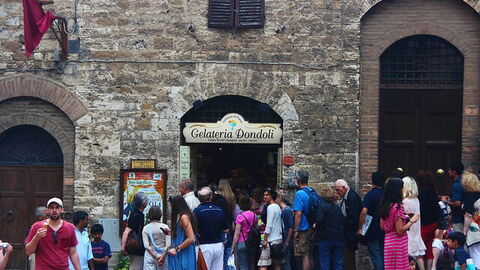
Gelateria Dondoli
Posted in: Food and Wine Localities Products & Specialities San Gimignano
If you feel like eating the best ice-cream in the world, you're going to need to find a luxury villa in San Gimignano. Located in the central Piazza della Cisterna, known all over the world and visited by a large number of celebrities is the Gelateria Dondoli or Gelateria di Piazza. The gelateria has won countless awards, invents flavour combinations that attract gourmet-lovers to the town on a regular basis and has made it World Champion on two occasions. Arguably, this is one of the best places in the entire world to try some ice-cream and, particularly in a land known for its ice-cream, this is no small claim.
Cantuccini biscuits
Posted in: Food and Wine Recipes
Cantuccini, often called biscotti, are Italian biscuits that are known the world over and are one of the most popular Italian treats internationally. In fact, you'll often find them served in cafés all over the world when you order a coffee. They are often considered a creation of the city of Prato though there are suggestions that they may have been invented elsewhere. However, the word “cantuccini”, as used in Tuscany specifically, tends to indicate a particular kind of bicotti, a variation on the traditional recipe which tends to be longer, less dry, have larger rusks and consist of bread dough enriched with olive oil and anise seeds.

Whatever variation or recipe is followed, however, these little treats are the perfect thing to accompany your coffee after a meal or to bag up as gifts for loved ones. Why not try out our recipe and then compare them to the real thing in Italy once you've found a luxury villa in Prato?
Panpepato
Posted in: Food and Wine Recipes
Panpepato is a typical cake served around Christmas which has ancient origins and comes from Siena. Panpepato cake is more rustic than the more familiar Panforte, with lots of spices, giving it a strong flavour. It is probably also the oldest variation of these types of cakes and is thought to have been created at the Monastery of Corpus Domini during the 15th century. Its original name is said to have been “pan del pape” (bread of the pope) or “pan pepato” (peppered bread).

Chocolate as a layer over the whole cake was introduced in the late 19th century which differentiates it from the Christmas cakes of Emilia and Romagna and helps keep it moist through the entire holiday season.

Find a luxury villa in Siena and try out a Tuscan Christmas or bring a little bit of Tuscany to your table at home while you plan a holiday for the new year!
Castagnaccio
Posted in: Food and Wine Recipes
Castagnaccio – which can also be known as baldino, ghirighio and pattona – is a plain cake which is made from chestnut flour and is found in Tuscany, Liguria, Piedmont, Emilia-Romagna and Corsica. However, it is widely considered a Tuscan dish with its origins being disputed and debated but often attributed to the town of Lucca. The Commentario delle più notabili et mostruose cose d'Italia e di altri luoghi by Ortensio Landi from 1553 gives credit to a "Pilade from Lucca" as the inventor ("fu il primo che facesse castagnazzi e di questo ne riportò loda”) and as this is a rather early written record, it is one of the best sources we have to go on.

It is a typically autumnal dessert made with chestnut flour, raisins, pine nuts, walnuts and rosemary. There is no yeast nor baking powder, nor sugar. Like a lot of Tuscan desserts, it also isn't that sweet, sitting somewhere between bread and cake. As a result, it is not as indulgent or as bad for you as most cakes and can be enjoyed without any sense of guilt. Better yet, it's quite easy to make once you source the flour (online or in an Italian delicatessen is probably easiest). Just find a luxury villa in Lucca and taste it there while on holidays. Or, if you can't possibly wait that long, why not try it at home first and get excited for an autumnal getaway in beautiful Tuscany.