Tuscany is home to some world-famous museums and galleries as well as churches and palaces with extraordinary collections that are known the world over and are immediate must-sees for those planning a vacation in Tuscany or to find a Tuscany villa. However, these well-known spots are not the only places to go to see art while in Tuscany. In fact, one might stumble across all kinds of incredible masterpieces all throughout the region from the Keith Haring mural painted on the side of an old church in Pisa to the examples of contemporary street art that dot cities such as Florence to random little chapels and tiny local museums that boast works by famous Old Masters. Or, you might find that a regional museum is playing host to a travelling exhibition or temporary loan of some astounding pieces from some of those more famous museums. One example of just such a regional museum and just such an exhibition is the Ex Cavallerizza in Lucca in the Piazzle Verdi, located in the stunning and historic city of Lucca, which is playing host to the, "I Pittori della Luce / Painters of Light," exhibition. Browse our villas with pools in Lucca and get booking today to see it for yourself this summer or in the early autumn before it closes!
3
May
2022
2022
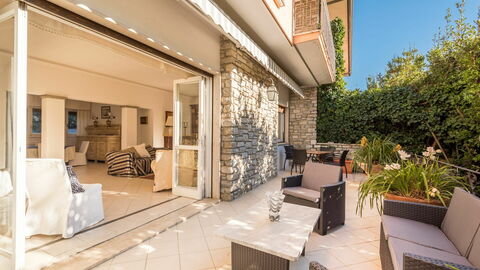
It’s about that time of year where the need to go on holiday starts to press in around many of us and with summer quickly approaching, it’s about time to get serious about booking your vacation as many of our biggest, best, and most conveniently located villas have already been snapped up for the peak tourism months of 2022. However, never fear, there are still plenty of great Tuscany villas to browse across our website. One example that we thought worthy of highlighting today, in particular, is the pretty, spacious, and ideally-located Villa Barbiera in Forte dei Marmi.
A Tuscany villa is an excellent idea for those who want to enjoy a relaxing getaway as the entire region is home to lots of natural hot springs and the charming and historic spa towns that have grown up around these destinations. Drawing generations upon generations of both locals, Italians from other parts of the country, and tourists from all over the globe to enjoy the restorative waters and a range of other relaxing and holistic treatments, these are the places that you want to go to if you are looking to truly unwind and rest on your next vacation. We have discussed many different naturally-occurring hot springs, thermal parks, spas, and spa towns previously but one of the most luxurious spots in the entire region to enjoy a day at the spa and in the hot spring waters that we haven’t mentioned before has to be Bagni di Pisa. The day spa here, at this stunning 5 star hotel in a beautiful 18th century building, is a real slice of heaven and is ideal for those who have found a villa with pool in Pisa and are looking to treat themselves to a properly luxurious spa experience.
Located in the spa town of San Giuliano Terme, about 5km from the city of Pisa, the Bagni di Pisa spa is a serious looker, with the thermal pools and baths set in an elegant courtyard of the building, framed by lovely architectural details such a pilasters and arched windows looking into the old palace. This setting is a wonderful and atmospheric place to soak in the restorative waters and is an especially refined counterpart to the famous outdoor springs such as the iconic example in Saturnia – though we would highly recommend a visit to both types if you can manage it!
19
Apr
2022
2022
Posted in: Architectural Gems
Churches & Religious Buildings
Localities
Museums & Galleries
Siena
Tourist Attractions
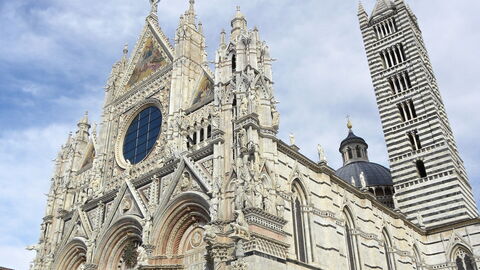
The benefit of exploring churches throughout the region if you have found a Tuscany villa, no matter your religious affiliation or lack thereof, is that an incredible number of them house spectacular artworks by some of the most famous artists from the region throughout history. This is true of both tiny little churches that might not seem like anything from the outside and, more often of course, of the various town cathedrals throughout Tuscany. If you find a villa with pool in Siena, for example, and are spending time discovering all that beautiful and historic city has to offer, then you will likely see the ornate Gothic façade, rising tower, and central dome of the Duomo (or cathedral) from various points around the city. This might give you pause to consider the building and we highly recommend going one step further and actually planning a visit to this gem while staying in your villa in Siena. With a richly ornamented exterior and a stunning interior that boasts artworks by the likes of Pisano, Donatello, and Michelangelo, it is a wonderful reflection of the artistic heritage of Tuscany and is full of gorgeous objects and pieces of art to admire...
Posted in: Day Trips
Food and Wine
Localities
Must See Attractions
San Gimignano
Wineries & Breweries
If you have found a luxury villa in San Gimignano and are planning on enjoying the best of the best and the most luxurious experience of a vacation in Tuscany then you might be thinking of organising a trip to a winery to spend a leisurely day sipping on some excellent Tuscan vintages. There are endless brilliant wineries in Tuscany to do just that but in this scenario, if you’re looking for the plushest, most elegant, most luxurious winery experience then we highly recommend setting aside some time to visit Tenuta Torciano. This family-run gem is truly picture-perfect, boasts some amazing wines, and offers some unique and uniquely sophisticated and exclusive wine-related experiences on their stunning estate. So, if you’re a wine-lover and foodie who wants to go all out with their winery visit while enjoying a Tuscany villa, then take note...
Located just outside the famously beautiful medieval town of San Gimignano, in a perfect spot between Siena and Florence that would make it easy to visit also if you have found a luxury villa in Florence or a luxury villa in Siena, Tenuta Torciano has been run by 13 generations of wine-makers and their wines are infused with both all of this tradition and the latest technologies. Handed down through the generations for 300 years, this iconic brand is highly celebrated for the excellence of their products with an array of wonderful reds, whites, and a Vin Santo to choose from. However, at this gorgeous venue, it is not just about the undoubtedly high-quality wines but very much also about the experiences of tasting and enjoying them that recommends the winery to visitors.