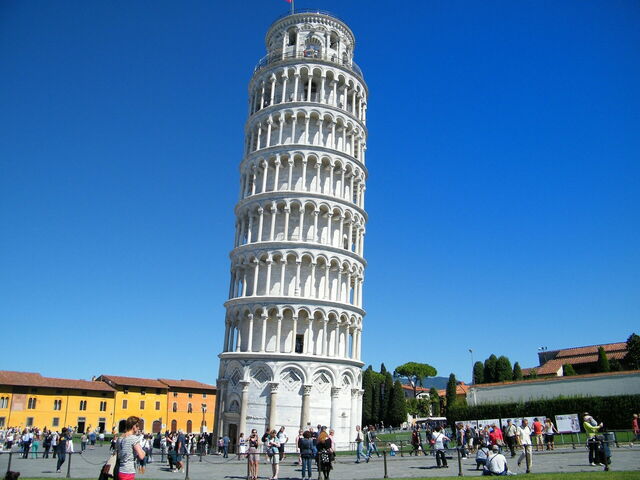
Once you have found the perfect luxury villa in Pisa and are planning your next visit, you will probably do some research into things to see and do while you are there.
In a city with such a famous and iconic monument, other sights and attractions can sometimes get overlooked. Such attractions are devoid of the long lines and crowds of tourists and allow you to have a completely different experience of the city to the one that most people.
One attraction that is a perfect example of this is the Museum of Human Anatomy, which is housed in the Medical School of Pisa. Pisa was one of the first university towns to be provided with an anatomy school and began with the support of Cosimo I dei Medici, who had an anatomical theatre built in the Via della Sapienza.
In a city with such a famous and iconic monument, other sights and attractions can sometimes get overlooked. Such attractions are devoid of the long lines and crowds of tourists and allow you to have a completely different experience of the city to the one that most people.
One attraction that is a perfect example of this is the Museum of Human Anatomy, which is housed in the Medical School of Pisa. Pisa was one of the first university towns to be provided with an anatomy school and began with the support of Cosimo I dei Medici, who had an anatomical theatre built in the Via della Sapienza.
Pisa's university, itself, is one of the older universities in the world, founded in 1343, and, as such, has built up an amazing collection across all departments.
The Museum of Human Anatomy was opened in 1832 by Tommaso Biancini, a dissector and professor of anatomy, as an “Anatomical Cabinet.”
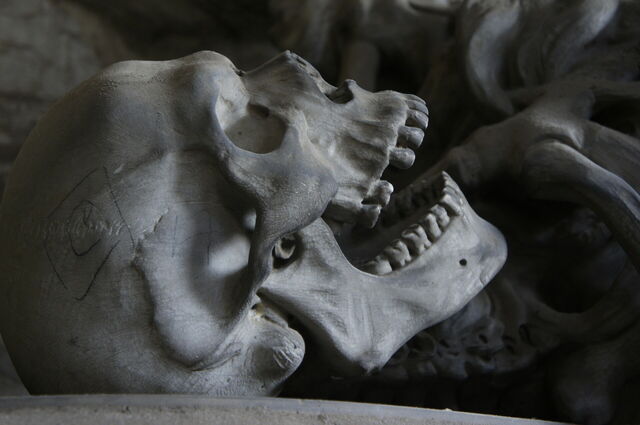
The collection grew quickly, soon amounting to thousands of pieces that included fetal skeletons, skulls, anatomical statues, prepared specimens, wax models and, even, some Colombian and Egyptian mummies.
There are also some items of archaeological interest, including a rich collection of pre-Columbian Peruvian vases, funerary outfits and a collection of embalmed heads belonging to a Peruvian family whose members were beheaded.
The Museum of Human Anatomy was opened in 1832 by Tommaso Biancini, a dissector and professor of anatomy, as an “Anatomical Cabinet.”
The collection grew quickly, soon amounting to thousands of pieces that included fetal skeletons, skulls, anatomical statues, prepared specimens, wax models and, even, some Colombian and Egyptian mummies.
There are also some items of archaeological interest, including a rich collection of pre-Columbian Peruvian vases, funerary outfits and a collection of embalmed heads belonging to a Peruvian family whose members were beheaded.
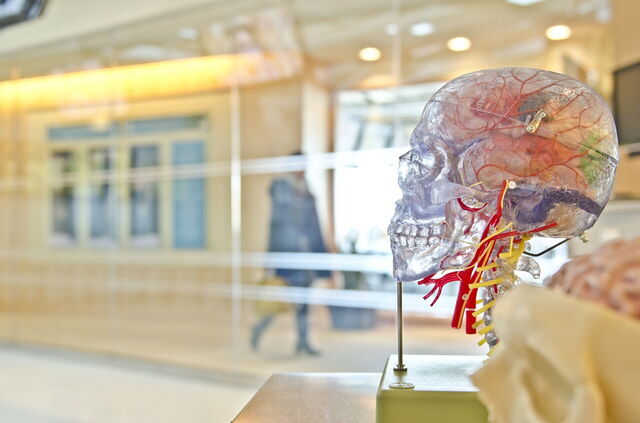
Until the late 1960s the museum occupied the ground floor of the Anatomy Division of the Medical School but was later moved to the second floor, where it is still located. Once open only to students, the museum can now be visited by the public but only by appointment (phone +39 050 2218601 for more information) and is closed on Saturdays, holidays and for the entirety of the month of August. Admission to the museum is also free, you'll be happy to note.
Something a little off the beaten track, educational and fascinating, a trip to the museum is a must for seasoned travellers visiting this beautiful city in Tuscany.
Something a little off the beaten track, educational and fascinating, a trip to the museum is a must for seasoned travellers visiting this beautiful city in Tuscany.